
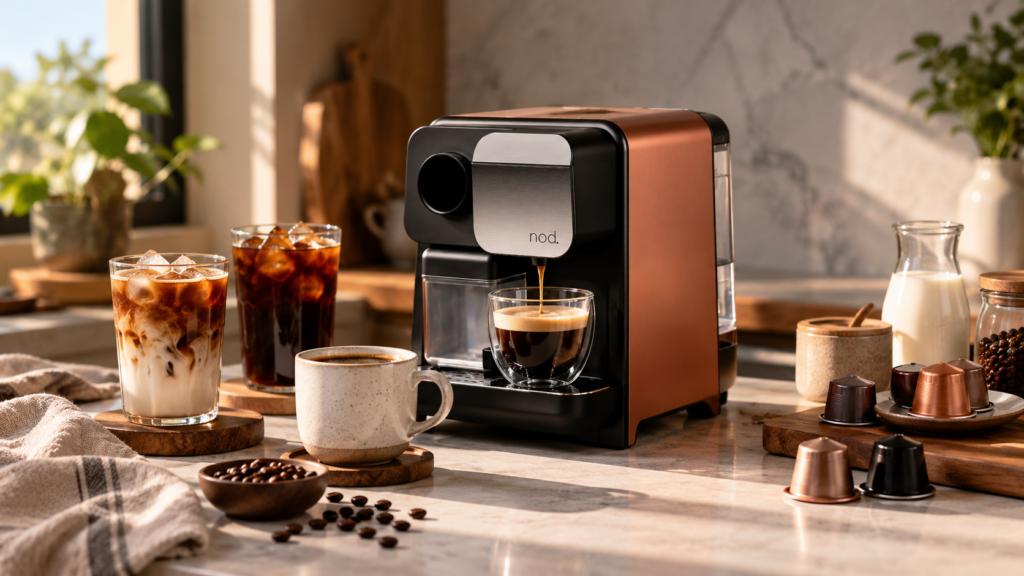
Coffee has become part of everyday life for many people. Whether it is enjoyed in the morning, used as an energy boost during work, or sipped slowly during a relaxing break, coffee offers a distinctive aroma and flavor that can feel both energizing and comforting.
It is no surprise that coffee is no longer just a beverage. For many people, it has become part of their lifestyle.
Although coffee is easy to find at cafés and coffee shops, knowing how to make coffee properly at home is still important. With the right brewing technique, you can enjoy coffee that tastes more balanced, flavorful, and suited to your personal preferences.
Making coffee at home is also more affordable, practical, and customizable. You can adjust the strength, sweetness, milk, and serving style depending on whether you prefer black coffee, milk-based coffee, or iced coffee.
In this article, you will learn how to make delicious coffee at home, from the simplest brewing methods to popular manual brewing techniques. You will also discover the right coffee-to-water ratio, useful brewing tips, and common mistakes to avoid so you can consistently make better coffee.
What Do You Need to Make Coffee at Home?
Before you start brewing, there are a few basic ingredients and tools you should prepare.
The good news is that you do not need expensive or complicated equipment. With simple ingredients and tools that are easy to find at home, you can already make a delicious cup of coffee.
Main Ingredients
1. Ground Coffee
Ground coffee is the most important ingredient when making coffee.
You can use instant coffee, packaged ground coffee, or freshly ground coffee beans. For a fresher and more aromatic cup, it is generally better to use coffee that has been stored properly and is still relatively fresh.
Some common coffee options include:
- Arabica coffee – lighter, more aromatic, and often more acidic
- Robusta coffee – stronger, bolder, and usually more bitter
- Coffee blends – a combination of Arabica and Robusta or different coffee origins
Choosing the right coffee will depend on the flavor profile you prefer.
2. Hot Water
Water plays an important role in determining the final taste of your coffee.
Use clean, fresh water rather than water that has been reheated several times.
The ideal water temperature for brewing coffee is generally around 90–96°C.
Water that is too hot can over-extract the coffee and make it taste unnecessarily bitter.
3. Sugar or Milk (Optional)
Sugar and milk can be added according to your personal preference.
If you prefer sweet coffee, you can use:
- Granulated sugar
- Palm sugar
- Simple syrup
For milk-based coffee, you can use:
- Fresh milk
- Sweetened condensed milk
- Oat milk
- Almond milk
Non-dairy milk alternatives are a good option if you prefer plant-based coffee drinks.
Coffee Equipment You Can Use
1. Glass or Coffee Cup
Use a heat-resistant glass or cup that matches your preferred serving size.
A typical serving of coffee is around 200–250 ml, although this can be adjusted depending on the brewing method and your personal taste.
2. Spoon
A spoon can be used to mix coffee, sugar, and milk.
It can also be used as a simple measuring tool if you do not have a digital scale available.
3. Coffee Brewing Equipment (Optional)
If you want to explore different coffee flavors and brewing styles, you can use equipment such as:
- French Press
- V60
- Drip Coffee Maker
- Moka Pot
However, if you want the simplest option, you can prepare traditional Indonesian kopi tubruk without any special brewing equipment.
Common Mistakes When Making Coffee
Although making coffee may seem simple, many people unknowingly make small mistakes that can affect the flavor, aroma, and overall quality of the final cup.
By understanding these common coffee brewing mistakes, you can improve your technique and make your coffee taste more balanced and consistent.
1. Using the Wrong Coffee-to-Water Ratio
An unbalanced coffee-to-water ratio is one of the most common reasons coffee tastes too bitter, too strong, or too weak.
- Too much coffee → overly strong and bitter
- Too little coffee → weak and lacking aroma
A simple starting point is:
1–2 tablespoons of coffee for every 200 ml of water
For more consistent results, consider using a digital scale so you can measure your coffee and water more accurately.
2. Using Water That Is Too Hot
Many people pour boiling water directly over coffee immediately after it reaches 100°C.
However, excessively hot water can increase extraction and make the coffee taste harsh or overly bitter.
This may result in:
- Excessive bitterness
- Reduced aroma
- An unpleasant aftertaste
A good brewing temperature is around:
90–96°C
A simple tip is to let boiling water rest for approximately 30–60 seconds before pouring it over the coffee.
3. Brewing Coffee for Too Long
Brewing coffee for too long may lead to over-extraction, which means too many compounds are extracted from the coffee grounds.
This can result in:
- Excessive bitterness
- A heavier mouthfeel
- Reduced aroma
Recommended brewing times vary depending on the method:
- Kopi tubruk: around 3–4 minutes
- French Press: around 4 minutes
- V60: around 2–3 minutes
Once the ideal brewing time has been reached, serve and enjoy the coffee without leaving the grounds in contact with the water for too long.
4. Using Coffee That Is No Longer Fresh
Coffee that has been stored for too long or exposed to air can gradually lose its aroma and flavor.
Signs that coffee may no longer be fresh include:
- Weak aroma
- Flat taste
- Lack of distinctive coffee characteristics
To maintain coffee freshness:
- Store coffee in an airtight container
- Keep it away from direct sunlight
- Use opened coffee within approximately 2–4 weeks when possible
Proper storage can help preserve the aroma and flavor for longer.
5. Using Poor-Quality Water
Since most of a cup of coffee is made up of water, water quality has a significant impact on taste.
Water with strong odors, excessive chlorine, or impurities can negatively affect the flavor of your coffee.
For better results, use:
- Mineral water
- Clean drinking water
- Filtered water
Avoiding these common mistakes can help you make coffee that tastes more balanced, aromatic, and enjoyable.
In many cases, good technique matters more than expensive equipment.
Tips for Making Better Coffee at Home
Making delicious coffee does not always require advanced techniques or expensive coffee machines.
A few simple adjustments can significantly improve the aroma, flavor, and consistency of your homemade coffee.
1. Use Fresh Coffee
Coffee freshness has a major impact on both aroma and flavor.
Freshly ground coffee or coffee that has only recently been opened generally has a stronger aroma and more vibrant flavor compared with coffee that has been stored for a long time.
Fresh coffee usually has:
- A distinctive and noticeable aroma
- A more balanced flavor
- A livelier taste rather than a flat profile
Some simple tips include:
- Choose coffee with a relatively recent roast date
- Use opened coffee within around 2–4 weeks when possible
- Avoid buying very large quantities if you do not brew coffee frequently
The fresher the coffee, the better your chances of getting a more flavorful cup.
2. Grind Your Own Coffee Beans
Grinding coffee beans shortly before brewing is one of the most effective ways to improve homemade coffee.
The benefits of grinding your own coffee include:
- Stronger aroma
- Fresher flavor
- Better control over grind size
Different brewing methods require different grind sizes:
- Kopi tubruk / French Press → coarse grind
- V60 / Pour Over → medium grind
- Espresso → fine grind
If you do not own a coffee grinder, you can:
- Ask a coffee shop or roaster to grind your beans according to your brewing method
- Use an affordable manual coffee grinder
Using the correct grind size helps improve extraction and gives you greater control over the final taste.
3. Store Coffee Properly
Improper storage can cause coffee to lose its aroma and flavor more quickly.
Air, light, heat, and moisture are some of the biggest factors that affect coffee freshness.
To store coffee properly:
- Use an airtight container
- Keep it in a cool, dry place
- Avoid direct sunlight
- Keep it away from excessive heat
You should also avoid:
- Leaving coffee in an open package
- Storing coffee in a transparent container exposed to light
- Keeping coffee near a stove or other heat source
For most everyday coffee, storing it in a cool, dry cupboard is generally more practical than keeping it in the refrigerator, where condensation and odors may affect the coffee if it is not sealed properly.
With proper storage, coffee can retain its aroma and flavor for longer.
Conclusion
By following these simple coffee brewing tips, you can enjoy better coffee at home without having to visit a café every day.
Using fresh coffee, the right grind size, clean water, proper brewing temperature, and the correct coffee-to-water ratio can make a noticeable difference in the final cup.
You do not necessarily need expensive equipment to make great coffee. Consistent technique and good-quality ingredients are often more important.
Once you understand how to make coffee at home properly, you can experiment with different coffee beans, brewing methods, milk options, and recipes until you find the perfect cup for your taste.